
frosted glass wall partitions
The Versatility of the Magnetic V Block A 4-Inch Essential Tool In the world of machining and fabrication, precision is paramount. Among the many tools available to achieve precise measurements and cuts, the magnetic V block stands out as an essential device, particularly the 4-inch version. This tool is beneficial for both professional machinists and hobbyists alike. But what exactly makes the magnetic V block so indispensable? Understanding the Magnetic V Block A magnetic V block is a device used to securely hold cylindrical workpieces in place during machining operations. It is designed in a V-shape to accommodate various sizes and shapes of round stock. The magnetic base is another feature that sets this tool apart, providing a powerful grip on metal surfaces, ensuring stability during work. The combination of the V shape and the magnetic base allows for improved accuracy, preventing any unwanted movement of the workpiece. Key Features of the 4-Inch Magnetic V Block 1. Size and Portability The 4-inch size strikes the perfect balance between being compact enough for easy handling and large enough to hold standard-sized workpieces securely. Its portability means it can be easily moved around workshops or job sites. 2. Strong Magnetic Grip The magnetic force in these blocks is designed to hold objects securely. This is particularly important in machining, where even a small shift in the workpiece can result in errors that compromise quality and accuracy. The magnetic base allows for quick placement and repositioning without the need for cumbersome clamps. 3. Durability Magnetic V blocks are typically made from high-quality steel, making them robust enough to withstand the rigors of heavy use in industrial environments. Their durability ensures a long service life, making them a cost-effective investment . magnetic v block 4 inch 4. Versatility The applications of a 4-inch magnetic V block are extensive. It can be used for precision measurement tasks, machining, grinding, and inspection of parts. Whether you're working on retrofitting a component, performing quality checks or aligning a workpiece for cutting, this tool provides the versatility required for a range of tasks. 5. Ease of Use The design of the magnetic V block allows for straightforward operation. Users can easily place the workpiece in the V groove, activate the magnetic hold, and begin the machining process. This ease of use is particularly beneficial for those who may be new to machining or those who need to enhance their workflow efficiency. Benefits of Using a Magnetic V Block The benefits of incorporating a magnetic V block, particularly the 4-inch variety, into one’s toolkit are numerous. First and foremost, it enhances precision. The secure hold allows for accurate measurements, which is crucial in any machining operation. This precision not only improves the quality of finished products but also minimizes waste resulting from errors. Additionally, using a magnetic V block can save time. Without the need for complex clamping setups, machinists can quickly position their workpieces and begin work. This can significantly reduce setup times, allowing for increased productivity. Moreover, its multipurpose nature enables users to switch between various tasks without needing to change tools frequently. This adaptability makes it an ideal choice for workshops that handle a diverse array of projects. Conclusion Incorporating a magnetic V block into your machining processes is not just a matter of convenience; it’s a commitment to quality and precision. The 4-inch variant offers a unique blend of portability, strength, and versatility that makes it indispensable in any workshop setting. As the industry continues to evolve, tools like the magnetic V block will remain fundamental to ensuring that high standards of craftsmanship are met. Whether you are a seasoned professional or an enthusiastic beginner, a magnetic V block is a tool worth adding to your arsenal. Understanding its features and benefits ensures that you can maximize its potential in your projects, ultimately leading to better outcomes and high-quality results.
about
frosted glass wall partitions
Understanding the 3% Gate Valve An Essential Component in Fluid Control In various industrial applications, the flow of fluids is a critical aspect that engineers and operators must manage effectively. Among the numerous types of valves available, the gate valve stands out for its reliability and efficiency in regulating fluid flow. Specifically, the 3% gate valve has gained attention for its precision and functionality, especially in applications where controlling flow is crucial. What is a Gate Valve? A gate valve is a type of linear motion valve used to start or stop the flow of fluid through a pipeline. Unlike other valves that are designed for throttling purposes, the gate valve offers minimal flow resistance when fully opened. It operates using a gate that can lift or lower to either allow or obstruct flow. This design makes it particularly suitable for applications where a straight-line flow of fluid and minimum obstruction are desired. The Significance of the 3% Specification The term 3% gate valve often refers to the valve's ability to maintain a relatively constant flow with only a slight variation in pressure drop across the valve. This specification is important in systems where a stable flow rate is necessary, ensuring that processes operate smoothly and efficiently. The 3% indicates that the valve maintains variable flow characteristics within a tolerable range, making it suitable for various applications in both commercial and industrial settings. Applications of the 3% Gate Valve 3% gate valves are widely used in many industries, including water treatment, oil and gas, chemical processing, and power generation. In water treatment facilities, they are used to control the flow of water through various stages of purification. The oil and gas industry relies on these valves to manage the flow of crude oil and natural gas, where precision and reliability are paramount. Chemical processors use 3% gate valves to ensure safe and efficient handling of corrosive substances. Similarly, in power generation, the control of steam and water flow can significantly impact operational efficiency and safety. 3 gate valve Advantages of 3% Gate Valves 1. Precision Control The 3% gate valve allows for precise control over flow rates, which is essential in many industrial processes. This precision helps prevent overpressure in systems, thereby enhancing safety. 2. Reduced Flow Resistance Gate valves are designed to minimize turbulence and pressure drop when fully open, ensuring maximum flow efficiency. 3. Durability and Reliability Made from robust materials, these valves are built to withstand high pressure and harsh environmental conditions, making them ideal for heavy-duty applications. 4. Ease of Maintenance The simple design of the gate valve makes it easy to maintain and repair, reducing downtime and costs associated with complex valve systems. Conclusion In summary, the 3% gate valve represents a key component in fluid control systems across various industries. Its ability to provide precise flow control with minimal resistance makes it a preferred choice for many applications. As industries continue to evolve and demand greater efficiency and safety, the importance of reliable components like the 3% gate valve cannot be overstated. Whether it’s in oil and gas, water treatment, or chemical processing, understanding the role and functionality of gate valves can lead to improved operational outcomes and enhanced system performance. Overall, investing in quality gate valves is crucial for ensuring the stability and reliability of fluid control systems, thereby supporting the backbone of modern industrial operations.
-

High quality industrial productsagement

High quality industrial products
View Details -

Meet the diverse needs of customers

Meet the diverse needs of customers
View Details -

Strict quality control

Strict quality control
View Details -

Top raw materials

Top raw materials
View Details -

Trusted supplier

Trusted supplier
View Details
Our application

news and information
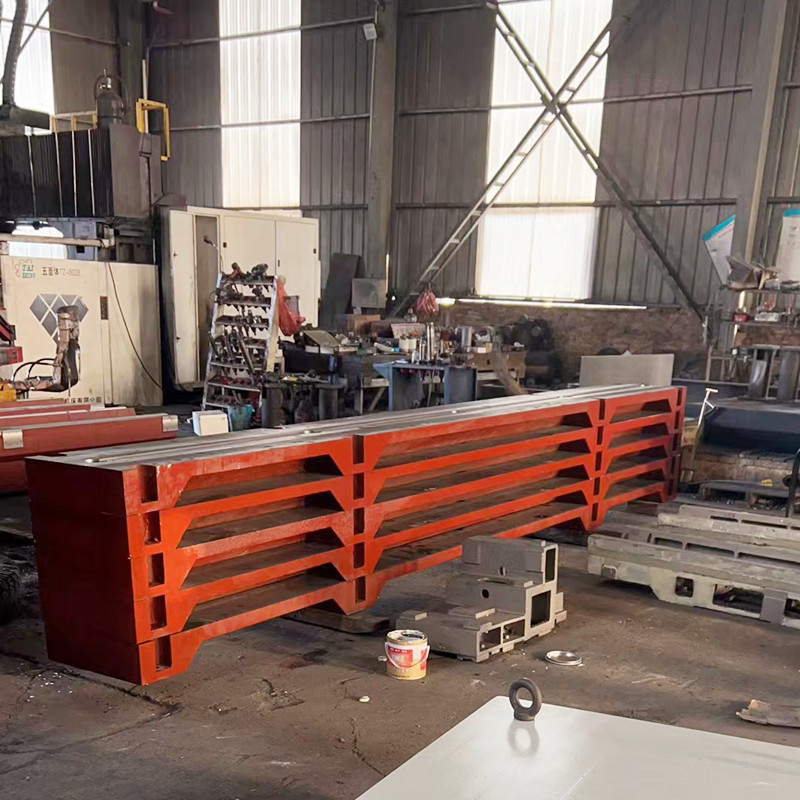
welding fabrication table
Welding and Fabrication An Essential Guide to Techniques and Applications Welding and fabrication ar
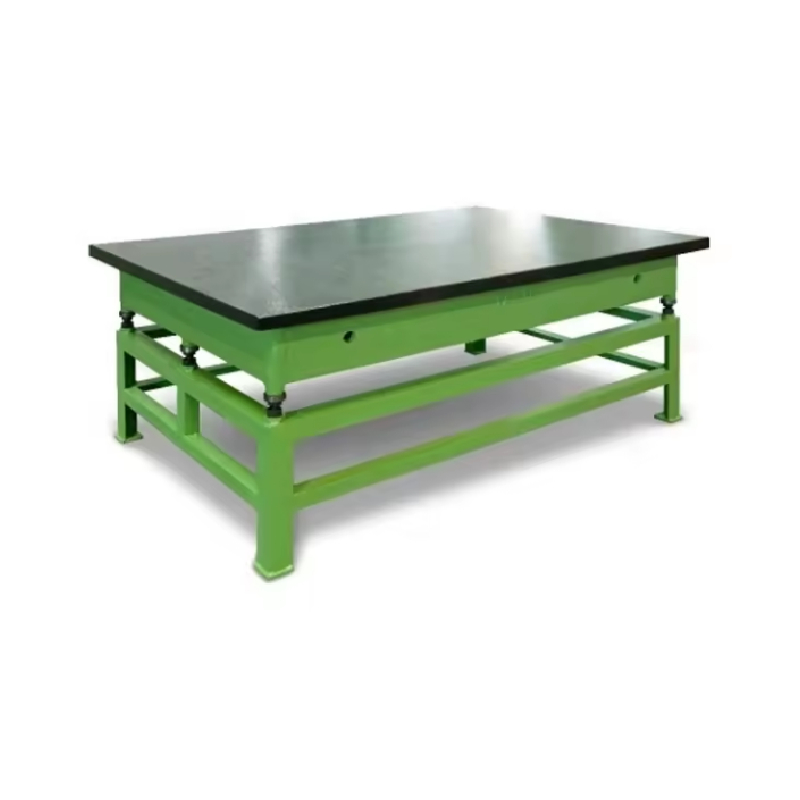
vratový ventil z oceli
Ocelové klapky Klíčový prvek v průmyslových aplikacích Ocelové klapky, známé také jako klapkové vent
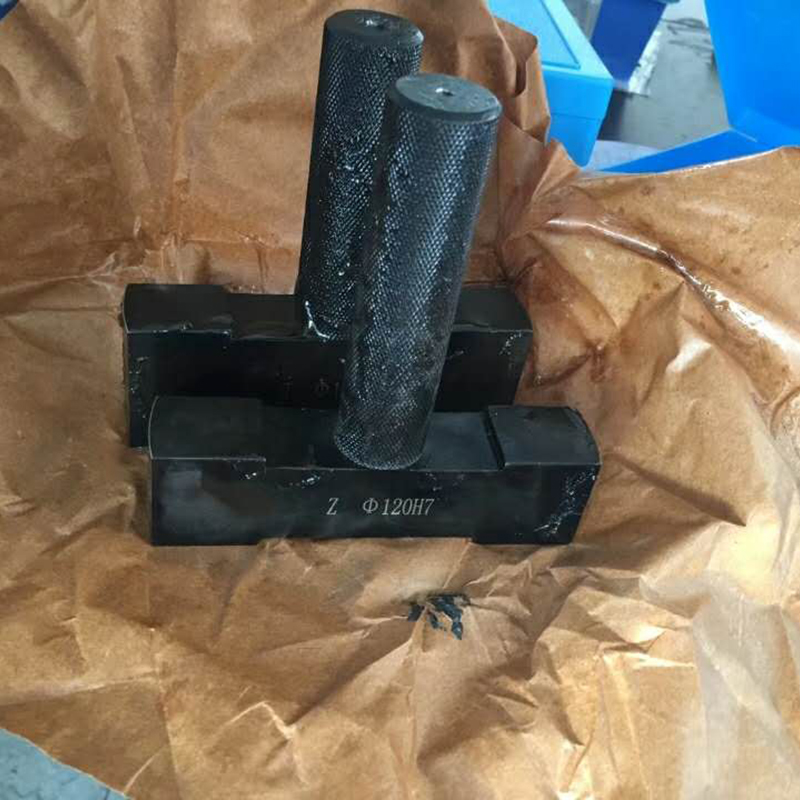
Vertical Y strainer efficient way to filter particles from fluid flow.
Vertical Y strainers are essential components in piping systems that are designed to remove unwanted
 English